
#UK Work Visa
Expert legal support helping couples navigate UK immigration rules,
What is a Work Visa
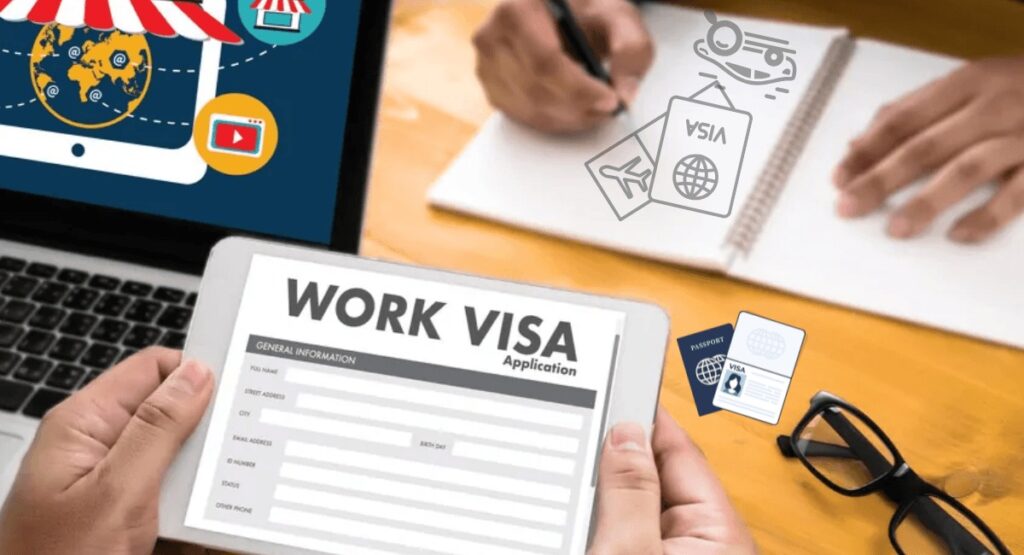
A work visa is a legal permission that allows a foreign national to live and work in another country for a specific period. It is usually issued based on a job offer from an employer in that country.
Job Offer Requirement
In most cases, you need a confirmed job offer before applying for a work visa. The employer often provides a contract or sponsorship letter to support your application.
Types of Work Visas
Work visas can be temporary or long-term. Some are for skilled workers, some for seasonal jobs, and others for highly qualified professionals in fields like IT, healthcare, or engineering.
Required Documents
Common documents include a valid passport, job offer letter, educational certificates, experience letters, CV, and sometimes professional licenses depending on the job.

Employer Sponsorship
In many countries, the employer must sponsor the worker. This means they support the visa application and confirm that the job cannot easily be filled by a local worker.
Skills and Qualifications
Applicants must usually meet specific skill and qualification requirements. Some jobs require degrees, certifications, or relevant work experience to be eligible.
Visa Duration
Work visas are issued for a fixed period, such as one to five years, depending on the country and job type. They may be renewable if employment continues.
Rights on Work Visa
A work visa holder is generally allowed to live and work legally in the country. Some visas also allow dependents (spouse and children) to join.
Rules and Restrictions
Work visa holders must work only for the sponsoring employer unless the visa allows job switching. Breaking visa conditions can lead to cancellation or deportation.
Path to Permanent Residency
In many countries, a work visa can be a pathway to permanent residency or citizenship if the applicant meets long-term residence and employment requirements.
Work Visa Application Process
The work visa process usually starts after receiving a confirmed job offer. The employer may apply for a work permit on your behalf or provide documents for your visa application. After that, you submit your application to the embassy or online portal along with required documents.
Labour Market Test
In some countries, employers must prove that no local worker is available for the job. This is called a labour market test. Only after approval, a foreign worker can be hired.
Salary Requirements
Many work visas have minimum salary requirements. The job must meet a certain wage level to ensure fair employment conditions and to support the worker’s living expenses.
Health Insurance Requirement
Some countries require proof of health insurance before issuing a work visa. This ensures that the worker can access medical services during their stay without financial issues.
Police Clearance Certificate
Applicants often need to provide a police clearance certificate to prove they have no serious criminal record. This helps immigration authorities ensure safety and security.
Visa Processing Time
Work visa processing time can vary from a few weeks to several months depending on the country, job type, and application volume.
Family Dependent Visas
Many work visa programs allow dependents such as spouse and children to join the main applicant. In some cases, dependents may also be allowed to work or study.
Changing Employer Rules
Some work visas allow changing employers, but others are strictly tied to one employer. Switching jobs without permission can lead to visa cancellation.
Renewal and Extension
If employment continues, work visas can often be renewed or extended. The employer usually plays an important role in this process.
Work Visa Types by Skill Level
Work visas are often divided based on skill level. High-skilled visas are for professionals like doctors, engineers, and IT experts, while low or medium-skilled visas are for jobs in sectors like construction, hospitality, and agriculture.
In-Demand Occupations
Many countries issue work visas based on shortage occupations. This means they prioritize jobs where local workers are not enough, such as healthcare workers, software developers, and skilled tradespeople.
Points-Based Immigration Systems
Some countries use a points-based system for work visas. Points are awarded based on age, education, work experience, language skills, and job offers. Higher points increase the chances of visa approval.
Work Permit vs Work Visa
A work permit is usually approval from the labour department, while a work visa is issued by immigration authorities to enter and stay in the country. Both are often required together.
Contract Conditions
Work visas are usually tied to a specific employment contract. This contract includes job role, salary, working hours, and benefits. Breaking the contract can affect visa status.
Workplace Rights
Work visa holders are generally protected by labour laws of the host country. This includes fair wages, safe working conditions, and protection against exploitation.