
#UK Innovator Founder Visa
Expert legal support helping couples navigate UK immigration rules,
What is Asylum and Protection
Asylum and protection refer to legal support given to people who leave their home country due to fear of persecution, war, violence, or serious human rights violations. It allows them to seek safety in another country.People can apply for asylum if they are at risk because of their religion, political opinion, nationality, race, or membership in a particular social group. Each case is carefully reviewed by immigration authorities.

Reasons for Seeking Protection
Common reasons include war, political instability, threats from government or groups, domestic violence, or serious discrimination. The main requirement is proving a real risk to life or safety.
Asylum Application Process
The process usually starts when a person arrives in the host country and formally applies for protection. They may need to submit documents, attend interviews, and explain their situation in detail.
Interview and Evidence
Applicants are often interviewed by immigration officers. They must clearly explain why they left their country and provide any available evidence such as reports, medical records, or witness statements.

Temporary Protection
In some cases, people are given temporary protection while their asylum case is being reviewed. During this time, they may be allowed to stay legally in the country.
Rights of Asylum Seekers
Asylum seekers may get basic rights such as shelter, food, healthcare, and limited work permission depending on the country’s laws.
Decision Outcome
The immigration authority decides whether to grant refugee status, humanitarian protection, or refuse the application. Approval allows the person to stay legally.
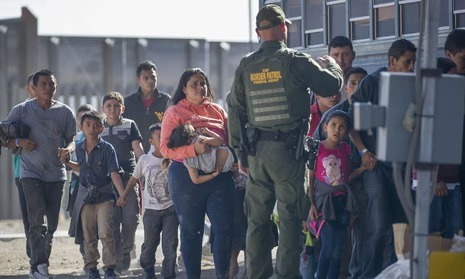
Refugee Status vs Asylum Seeker
An asylum seeker is a person who has applied for protection but is still waiting for a decision. A refugee is someone whose application has been approved and is officially granted protection in the host country.
Safe Third Country Rule
Some countries follow the “safe third country” rule, which means if a person passes through a safe country before reaching their destination, they may be required to apply for asylum in that first safe country.
Credibility Assessment
Immigration officers carefully check whether the applicant’s story is believable and consistent. Any false information or contradictions can negatively affect the case
Legal Representation
Many asylum seekers choose to get legal help from lawyers or NGOs. Legal representatives help prepare documents, explain laws, and present the case properly.
Humanitarian Protection
If a person does not qualify as a refugee but still faces serious risk in their home country, they may be granted humanitarian protection or subsidiary protection.
Detention in Asylum Cases
In some situations, asylum seekers may be held in detention centers while their case is being reviewed, especially if identity or security concerns exist.
Living Conditions During Process
During the asylum process, applicants may live in government accommodation or designated shelters. Basic needs like food and healthcare are usually provided.
Work Permission
Some countries allow asylum seekers to work after a certain waiting period, while others restrict employment until a decision is made.
Resettlement Programs
Approved refugees may be relocated through resettlement programs. These programs help them start a new life in safe and stable countries.

Grounds for Asylum Claims
Asylum claims are usually based on serious threats such as political persecution, religious discrimination, ethnic violence, or war. The applicant must show that returning to their home country would put their life or freedom at risk.
Burden of Proof
In asylum cases, the applicant is responsible for explaining and proving their situation as much as possible. Even if full evidence is not available, a clear and consistent personal statement is very important.
Country of Origin Information
Immigration authorities use reports about the applicant’s home country to check if the claimed risks are real. These reports include details about conflicts, human rights conditions, and political stability.
Safe Return Assessment
Officers evaluate whether it is safe for the applicant to return home. If protection is available in another part of the country, the claim may be refused.
Interview Preparation Tips
Applicants should prepare their story clearly, including dates, events, and reasons for leaving. Honest and consistent answers during interviews are very important.
Support Services
Many countries provide support services for asylum seekers such as housing assistance, legal aid, counseling, and basic healthcare during the waiting period.
Family Inclusion in Asylum
In some cases, immediate family members can be included in the asylum application. This allows families to stay together while the case is being processed.
Visa Status During Asylum
While waiting for a decision, asylum seekers usually have a temporary legal status. However, this status may have restrictions compared to full residency.
Integration After Approval
Once asylum is granted, individuals are often supported with language courses, job training, and education programs to help them adapt to the new country.