
#Humanitarian Protection Visa
Expert legal support helping couples navigate UK immigration rules,
What is Humanitarian Protection in the UK?
Humanitarian Protection (HP) is a form of immigration status granted to individuals who do not qualify as refugees but would still face serious harm if returned to their home country. It is designed to protect people from life-threatening situations such as violence, torture, or inhuman and degrading treatment.
This protection is typically granted where there is a real risk to an individual’s safety due to factors such as armed conflict, widespread violence, or systemic human rights abuses. The UK recognises its obligations under international human rights law to ensure that individuals are not returned to conditions where their lives or dignity are at risk.
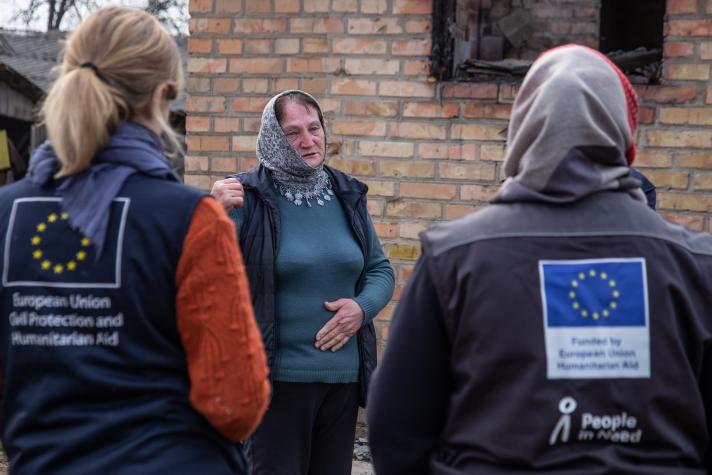
Who Qualifies for Humanitarian Protection?
You may be eligible for Humanitarian Protection if you can demonstrate that returning to your home country would expose you to serious harm, even if your situation does not meet the strict definition of a refugee.
This includes risks such as:
- Death penalty or unlawful killing
- Torture or inhuman or degrading treatment
- Serious and individual threat to life due to indiscriminate violence (e.g. war zones)
Unlike asylum claims, you do not need to prove persecution based on specific grounds such as religion or political opinion. Instead, the focus is on the level of danger you would face if returned.
Difference Between Asylum and Humanitarian Protection
While both asylum and Humanitarian Protection offer safety, they are based on different legal criteria.
Asylum is granted to individuals who face persecution due to protected characteristics such as race, religion, nationality, political opinion, or membership of a particular social group.
Humanitarian Protection, on the other hand, applies where there is a serious risk of harm regardless of these specific factors. It acts as a secondary form of protection when asylum is not applicable but removal would still be unsafe.

What Does Humanitarian Protection Allow You to Do?
If granted Humanitarian Protection, you will usually receive permission to stay in the UK for a period of 5 years. During this time, you are allowed to:
- Live and work in the UK
- Access public services, including healthcare and education
- Bring eligible family members to join you
- Travel outside the UK under certain conditions
After completing the required period, you may be eligible to apply for Indefinite Leave to Remain (ILR), allowing you to settle permanently in the UK.
Application Process for Humanitarian Protection
Humanitarian Protection is usually considered automatically when you apply for asylum. If your asylum claim is refused, the Home Office will assess whether you qualify for Humanitarian Protection based on the risks in your home country.
To support your claim, you will need to provide:
- Detailed personal statement explaining your situation
- Evidence of risk in your home country (reports, news, expert opinions)
- Any supporting documents showing past harm or threats
The Home Office will carefully review your case, including country conditions and credibility of your evidence, before making a decision.
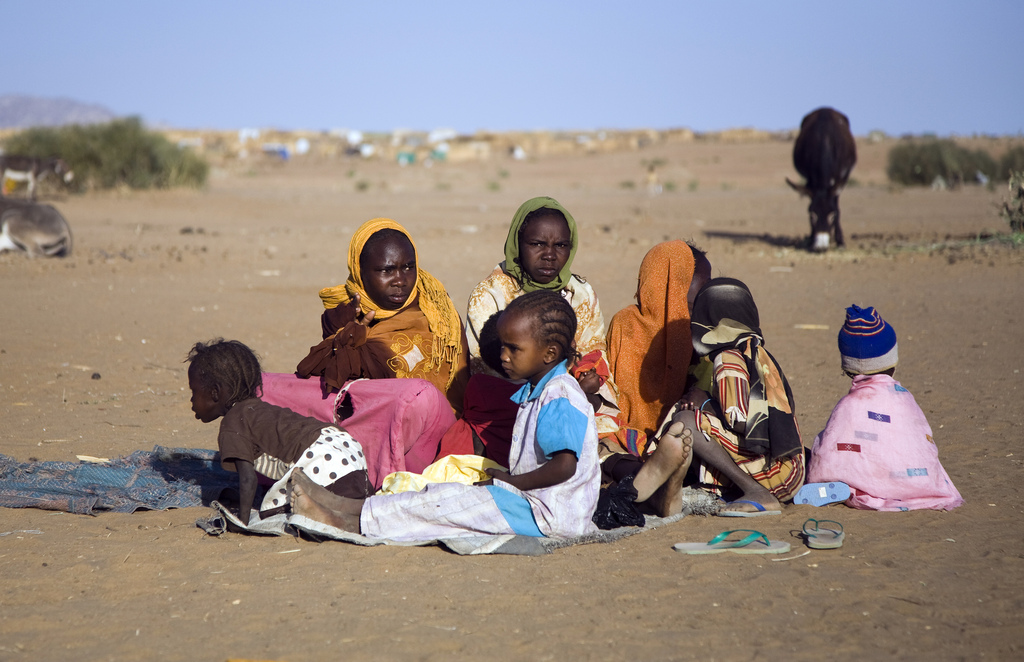
Who Qualifies for Humanitarian Protection?
You may be eligible if:
- You do not meet the criteria for asylum (Refugee Convention)
- There is strong evidence that returning home would expose you to serious harm
- The risk is personal, real, and current
- Your home country cannot provide adequate protection
Each application is assessed carefully by the Home Office based on country conditions and personal circumstances.
Common Reasons for Refusal
Applications for Humanitarian Protection can be refused for several reasons. These may include insufficient evidence of risk, inconsistencies in your statements, or failure to demonstrate that the threat is serious and personal.
Another common issue is where the Home Office believes that you could safely relocate to another part of your home country. Providing strong, consistent, and well-documented evidence is crucial to avoid refusal.
Rights After Refusal
If your Humanitarian Protection claim is refused, you may still have options to challenge the decision. In many cases, you can appeal to an immigration tribunal, where your case will be reviewed independently.
Alternatively, you may be able to submit a fresh claim with new evidence or pursue a human rights application based on your circumstances.
Why Legal Support is Important
Humanitarian Protection cases can be complex, requiring a clear understanding of both legal principles and country conditions. A well-prepared application can make a significant difference in the outcome of your case.
Legal experts can help you gather the right evidence, prepare strong arguments, and ensure your application meets Home Office requirements. This increases your chances of securing protection and building a safe future in the UK.
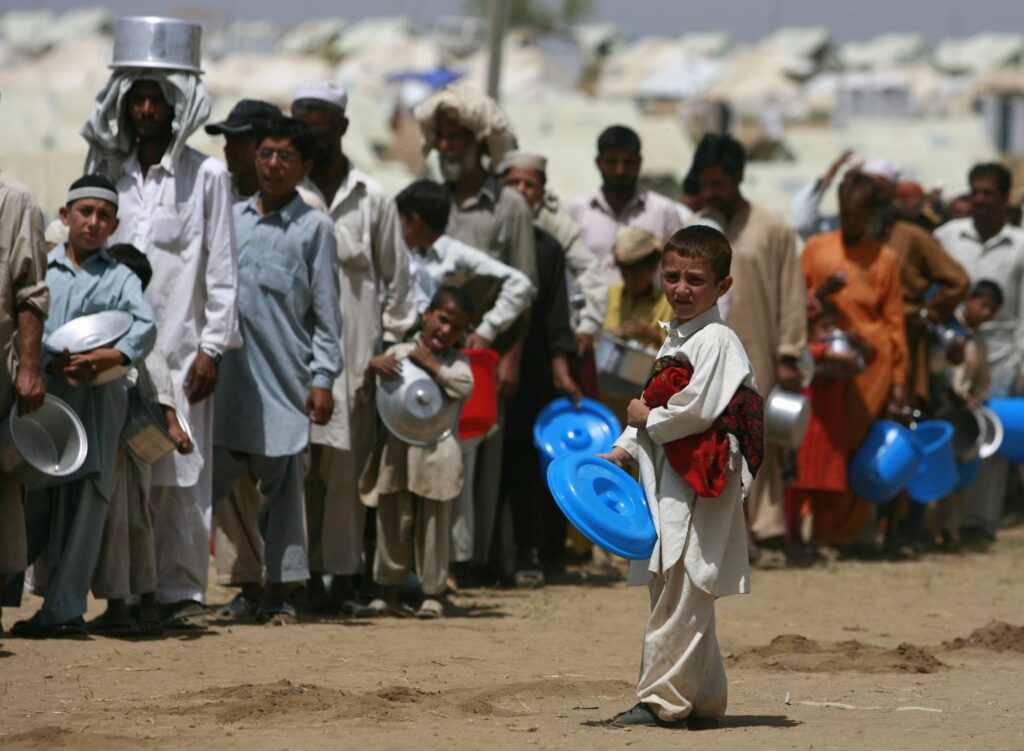
Duration & Rights Under Humanitarian Protection
If your application is successful, you will usually be granted:
- Limited Leave to Remain (5 years)
- Permission to work and study in the UK
- Access to public funds and healthcare
- The ability to bring dependants (family members)
After 5 years, you may become eligible to apply for Indefinite Leave to Remain (ILR).
Difference Between Asylum and Humanitarian Protection
While both offer protection, they are legally different:
- Asylum is granted under the Refugee Convention
- Humanitarian Protection is granted under UK immigration rules
Humanitarian Protection is typically used when a person does not meet refugee criteria but still faces serious danger.
Supporting Evidence for Your Application
Strong documentation is essential. This may include:
- Medical reports
- Country expert reports
- News articles or human rights reports
- Personal witness statements
- Evidence of threats or violence
Incomplete or weak evidence is one of the most common reasons for refusal.
Can Humanitarian Protection Be Refused?
Yes, applications may be refused if:
- The Home Office believes there is no real risk of serious harm
- You can safely relocate within your home country
- There are credibility issues in your claim
- Insufficient supporting evidence is provided
In such cases, you may have the right to appeal the decision.
How We Can Help
Applying for Humanitarian Protection can be complex and requires strong legal arguments and detailed evidence. Professional legal support ensures your case is properly prepared and presented.
We assist with:
- Case assessment and eligibility review
- Preparing strong legal representations
- Gathering supporting evidence
- Handling Home Office communication
- Appeals and judicial review
Country Conditions & Risk Assessment
When reviewing an application, the Home Office considers detailed reports about your home country, including:
- Political instability or ongoing armed conflict
- Human rights violations
- Treatment of specific groups (religious, ethnic, political)
- Availability of protection from local authorities
Even if a country is generally safe, protection may still be granted if you personally face a higher level of risk than others.
Internal Relocation – A Key Consideration
One of the most important factors in Humanitarian Protection cases is whether you can safely relocate within your own country.
Your application may be refused if:
- There is a safe area where you could reasonably live
- You would not face serious harm in another region
- Relocation would not cause extreme hardship
However, if relocation is unreasonable or unsafe, this strengthens your claim. Conditions Attached to Humanitarian Protection
While Humanitarian Protection provides safety, it also comes with certain conditions:
- You must comply with UK laws and immigration rules
- Your status may be reviewed if country conditions change
- You must not travel back to the country you claimed protection from
Breaching these conditions could lead to your status being revoked.
Extension & Settlement Pathway
Before your initial 5-year leave expires, you can apply to extend your stay or move towards permanent settlement.
To qualify for settlement (ILR), you must:
- Continue to face risk if returned home
- Have complied with all visa conditions
- Pass the Life in the UK Test (if required)
- Meet English language requirements
Successful applicants can eventually apply for British citizenship.
Dependants Under Humanitarian Protection
If granted protection, you may be able to bring your family members to the UK, including:
- Spouse or partner
- Children under 18
Your dependants will usually receive the same immigration status, allowing them to live, work, and study in the UK.
Common Mistakes to Avoid
Many applications fail due to avoidable errors. Common issues include:
- Providing inconsistent statements
- Lack of credible or supporting evidence
- Missing key deadlines or documents
- Not explaining personal risk clearly
- Relying only on general country conditions without personal proof
A well-prepared application significantly improves success chances.
Why Legal Representation Matters
Humanitarian Protection cases are often complex and require strong legal argumentation. The Home Office applies strict criteria, and even small mistakes can result in refusal.
Professional legal support ensures:
- Your case is presented clearly and effectively
- Evidence is properly structured and relevant
- Legal arguments align with UK immigration law
- You are fully prepared for interviews or appeal