
#UK Buniness Immigration
Expert legal support helping couples navigate UK immigration rules,
UK Business Immigration Overview
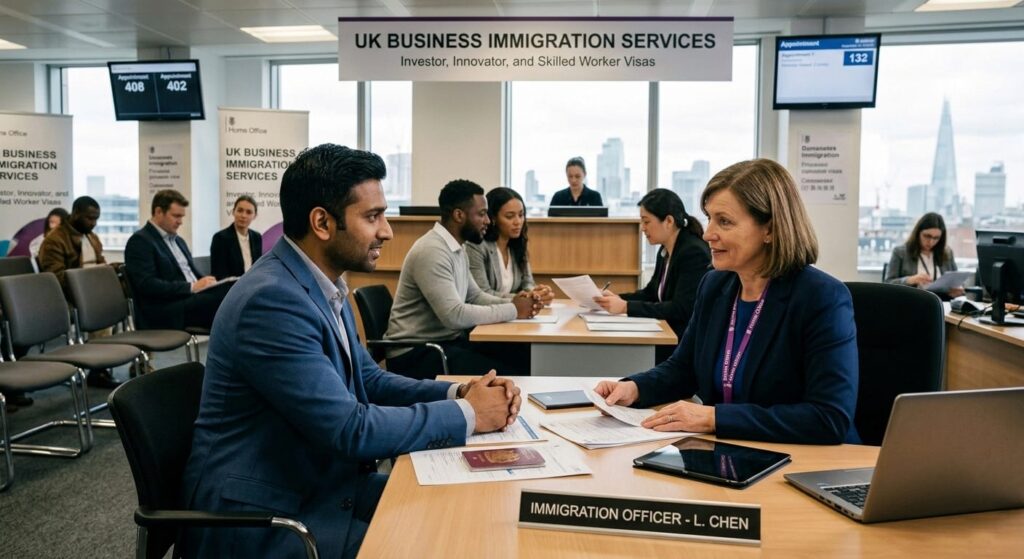
UK business immigration allows entrepreneurs, investors, and skilled business professionals to move to the United Kingdom to start or manage a business. It is designed to attract people who can contribute to the UK economy.The Innovator Founder visa is for experienced entrepreneurs who want to set up an innovative business in the UK. The business idea must be new, viable, and scalable, and it needs approval from an authorised endorsing body.
Start-up Route (Historical/Updated Options)
The old Start-up visa route was for new entrepreneurs, but it has largely been replaced by the Innovator Founder route. It focused on people starting their first business in the UK with innovative ideas.
Investor Visa (Closed Route)
The Tier 1 Investor visa was previously for individuals investing large amounts of money in the UK economy. However, this route has now been closed to new applicants.
Self-Sponsorship Route (Indirect Option)
Some applicants explore the option of setting up a UK company and then sponsoring themselves through a Skilled Worker visa route. This requires a genuine business setup and meeting sponsorship requirements.

Requirements for Business Immigration
Applicants generally need a strong business plan, sufficient funds, relevant experience, and endorsement from an approved UK body (for certain visa types). The business must be real and actively trading.
Financial Requirements
Depending on the visa type, applicants must show proof of investment funds or business capital. They must also prove they can support themselves while living in the UK.
English Language Requirement
Most UK business visa routes require proof of English language ability through approved tests or qualifications.

Visa Duration and Extension
Business visas are usually granted for a few years and can often be extended if the business is successful and meets visa conditions.
Path to Permanent Residency
Successful business visa holders may become eligible for Indefinite Leave to Remain (ILR) after a certain period, usually 3–5 years, depending on the visa category.
Final Summary
UK business immigration is suitable for entrepreneurs and investors who want to build or expand their business in the UK. A strong plan, proper funding, and compliance with immigration rules are essential for success.
Endorsement Requirement
Most UK business immigration routes, especially the Innovator Founder visa, require endorsement from an approved UK body. This endorsement confirms that your business idea is genuine, innovative, and has growth potential.
Business Plan Importance
A strong and detailed business plan is one of the most important parts of the application. It should explain your business model, target market, financial forecast, and how your business will grow in the UK.
Investment and Funding Rules
Applicants must show sufficient funds to start and run their business. The amount depends on the visa category, but the money must be legally obtained and clearly documented.
Viability and Scalability Test
UK authorities check whether the business is viable (can operate successfully) and scalable (has potential to grow and create jobs). Weak or unrealistic ideas are usually rejected.
Job Creation Impact
Many UK business visas focus on how the business will contribute to the economy. Creating jobs for local workers is seen as a strong positive factor in approval decisions.
Monitoring and Compliance
After visa approval, applicants may need to show progress reports or updates about their business. If the business fails or stops operating, visa conditions can be affected.
Business Location Rules
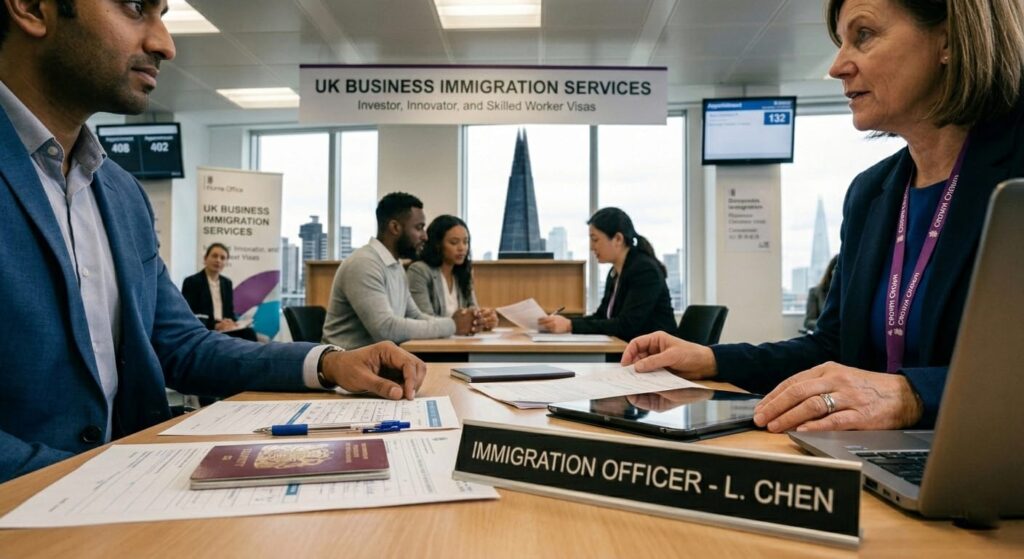
The business must be based in the UK and actively operating. Simply registering a company without real activity is not enough to meet visa requirements.
Tax Registration
Business visa holders must register with HMRC and follow UK tax laws. This includes paying corporate tax, income tax, and other relevant business taxes.
Networking and Support Programs
Many UK programs provide support to entrepreneurs, including mentorship, incubators, and networking opportunities to help new businesses succeed.
Types of UK Business Structures
When starting a business in the UK, applicants can choose different structures such as sole trader, partnership, or limited company. Most visa applicants prefer a limited company because it offers legal protection and better scalability.
Company Registration Process
To operate a business in the UK, you must register your company with Companies House. This includes choosing a company name, providing a UK address, and listing directors and shareholders.
Business Bank Account
A separate business bank account is usually required to manage company finances. It helps in tracking income, expenses, and proving financial activity for immigration and tax purposes.
Market Research Requirement
A strong application often includes detailed market research. This shows that you understand your industry, competitors, and customer demand in the UK market.
Risk Assessment in Business Plan
Applicants are expected to include risk analysis in their business plan. This explains possible challenges and how the business will handle financial, legal, or market risks.
Immigration Compliance Duties
Business visa holders must follow all immigration rules, including maintaining business activity and reporting changes in business structure or address to authorities.